Why Dance?
From an analytical standpoint, it has so many positive stacks. I think of this like a video game where you can get really OP builds by stacking the right skills on top of each other. Dancing stacks a lot of things.
- Social
- Physical
- Community Support
- Events are Geopolitical UN Summits, great for world peace
- Gateways people to serious conversations about social issues
- Gives people a reason to travel
- Relatively non destructive to the environment
- Art/Culture/History
- Pathway to other interests: music, photography, videography, events, community organizing, PhD Thesis
I do this kind of analysis from time to time on how I spend my time in life. I really like Super Smash brothers and cars too. I had a while when I was trying to decide well… am I gonna be a car guy? Does it align with my values? And as much as I like cars, I decided no, that wasn’t going to be a path I wanted to take because I like bicycles, walking, public transit, good city design and having a garage and supporting cars just wasn’t properly aligned with that. Though it does fit with my belief in the right to self repair.
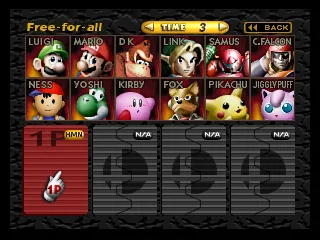
Super smash? Love it. N64 version. Was starting to practice with a group of people in Tempe and was seriously considering putting in the 10,000 hours to get competitively good. I put 100 hours in and saw a serious decline in my physical activity level and general quality of life. Not the best pairing with a dancer life style. While it does tick some great boxes, it wasn’t quite right for me. I replaced it with casual board games like Dune or Catan.
Dance won. And that analysis is what shaped what I value as a teacher. Because I approach dance from this wide perspective — that it touches so many things — I’ve really pared back my prescriptive thinking and tried to elevate my descriptive thinking.
Prescriptive vs Descriptive
I learned about this from linguistics, where linguists endeavor to describe what’s happening with the way we speak without putting value judgments on how we should speak. You can see a modern version of this with Adam Aleksic, “Etymology Nerd”.
What that means for dance is that I really try to learn as much about a dance as I can without judgment, so I can answer questions like “What is Balboa?” Not to draw a hard line around it so I can exclude ideas, but to put a soft, fuzzy, permeable line around 85% of the dance and say to brand new baby students: look, this is the bulk of the material. Learn this as your foundation. Here are the various schools of thought and the pluses and minuses they have (in my opinion). And then… that 15% is you. You explore and discover and push boundaries. If you have that 85%, you’ll know how to make new things “look like Balboa.” That’s how masters of this genre can go out there and pull things from other dances and import them into Balboa.
It also helps me keep students focused on the core bits. Like in shag, where I’m like, okay, learn 5 core techniques and you’re gonna be a really solid dancer. Everything after that is up to you and how you want to specialize.
So, if I had to put it into kinda… corporate speak and a quick summary:
What I Value
- Heritage AND Innovation: I’m passionate about preserving the rich cultural roots of social dances while embracing the evolution of modern styles. Dance should honor where it comes from while moving toward where it’s going.
- Equality in Connection: Partner dancing is a shared experience. Both roles are equal in value and importance, creating something greater than either could alone.
- Generational Growth: My goal is to elevate those around me beyond what we could ever achieve alone. Progress is a responsibility: the next generation should shine brighter.
What I Teach
I teach people to dance in a way that honors both the individual and the partnership. My mission is to make dance accessible, joyful, and meaningful.